
Rights & Royalty Management Information: Software,
Resources, & More
With over 25 years of rights and royalty management experience, MetaComet® Systems has mastered the science of calculating, paying, and reporting on royalties, while maximizing rights sales and revenue. We’ve compiled these resources to help you do the same.

Best Automated Reconciliation Software for Royalty Payments
Royalty reconciliation is where the accuracy of an entire royalty program gets tested. Contracts can be perfectly negotiated and sales data perfectly collected, but if the numbers don't reconcile cleanly against your financial systems, licensors and licensees are left chasing discrepancies instead of trusting their statements.
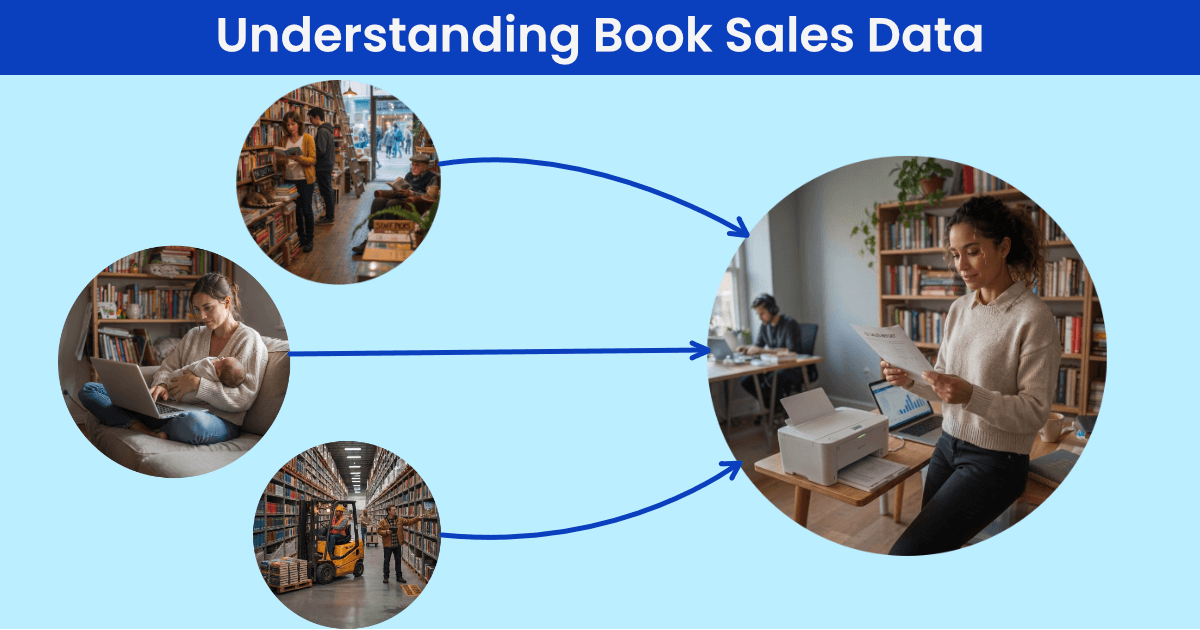
Book Sales Data | Our Guide to Tracking & Managing
Book sales data is the foundation of many critical publishing processes. Publishers rely on it to measure title performance, calculate royalties, manage inventory, forecast revenue, evaluate distribution channels, and make decisions about acquisitions and marketing. Yet book sales data is rarely simple.

Publishing Contracts Guide | What Licensees Need to Know
When it comes to publishing contracts, the publishers who thrive are not necessarily the ones who negotiate the hardest. They are the ones who negotiate for the rights they can best leverage, understand what they signed, can find the agreement when they need it, and can act on it appropriately for every single deal.

Royalty Administration | Definition & Best Practices
Every quarter, businesses around the world send millions of royalty payments to authors, artists, inventors, licensors, and partners. And every quarter, a surprising number of those payments are late or inaccurate. Well-managed royalty administration prevents those problems, and the stress that accompanies them.

What is Royalty Compliance? Requirements & Best Practices
Royalty compliance failures can lead to disputes, failed audits, legal exposure, reputational damage, and costly penalties. That's why royalty compliance has become a discipline in its own right.
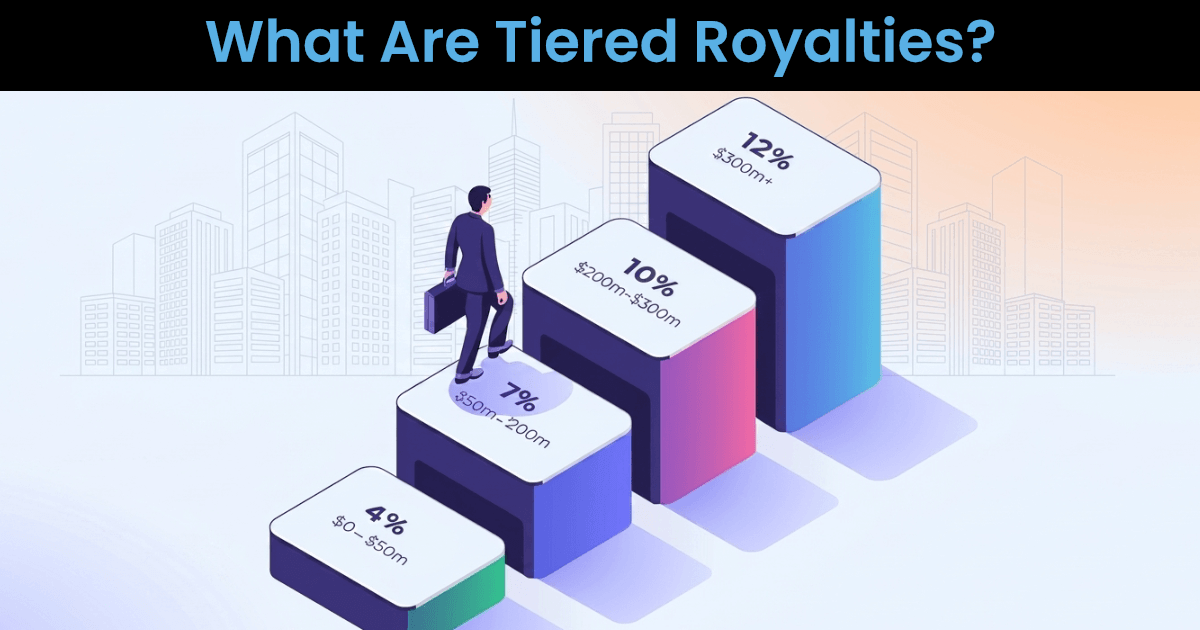
Tiered Royalties: Structure, Examples, Benefits, How They Work
Tiered royalties help align incentives between licensors and licensees, but they also introduce complexity in calculation, reporting, and compliance. This guide breaks down how they work, where they’re used, and what you should consider if you’re responsible for paying them.
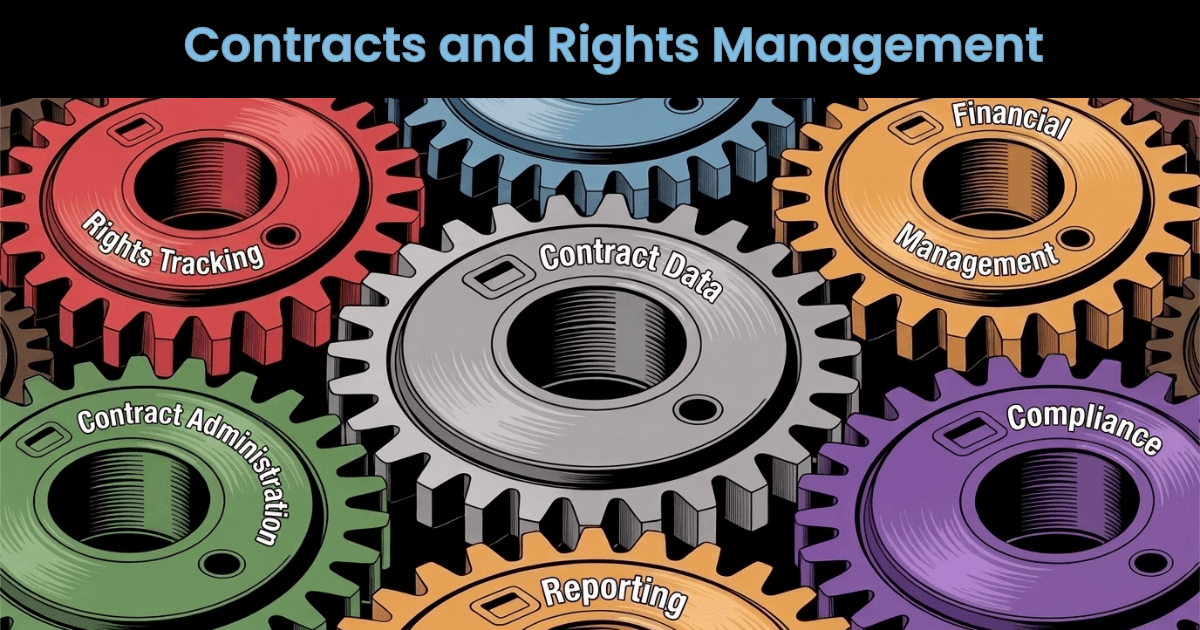
Contracts & Rights Management | Components & Best Practices
This guide walks through what contracts and rights management is, how it works in practice, where it tends to break down, and how modern software is changing the discipline. Whether you're a rights manager at a publishing house, a licensing director at a brand, or an IP counsel at a tech company, the fundamentals are the same.

Royalty Auditing Guide | Process, Rights & Best Practices
This guide is written for royalty managers, financial executives, and anyone else concerned with compliance and licensor relations at companies that license in intellectual property. It walks through what royalty auditing is, why it happens, what auditors examine, and how your organization can build the internal readiness to navigate an audit successfully.
Translation Rights: A Complete Guide for Publishers
Translation rights can be a powerful and cost-effective way to squeeze more revenue from content. What’s more, with few deductions needed, most of the money can go straight to the bottom line.

Rights Management Software for Content & Licensing
Rights management software is a tool that helps book publishers, literary agents, and other content rights holders or rights managers keep track of the rights they control, have sold, and have available to sell.
Frequently Asked Royalty Information Questions
What are royalties and how are they paid?
A royalty is a payment made by one party (the licensee) to another (the licensor) for the ongoing use of an asset, commonly a piece of intellectual property. Payment methods and frequency are established in a royalty licensing agreement between the two parties. For more details, see our article entitled, “How Do Royalties Work?”
How much is the average royalty check?
Royalty payments vary widely across different industries and within industries as well, depending on the value of the asset being licensed, the sales volume within the royalty period, and many other factors. So, there is no such thing as an average, normal, or typical royalty check. To learn more about the elements that affect a royalty check, see our article, “How Are Royalties Calculated?”
How do I calculate my royalties?
Royalties are calculated based on a percentage of sales revenue or a flat fee per unit sold. The percentage or fee is agreed upon in a royalty licensing agreement between the licensor and licensee. The agreement will also outline other variables that will affect royalty payments. For more information, read our post, “How Are Royalties Calculated?”
Who receives royalty payments?
Royalty recipients include copyright holders (like writers, illustrators, and composers), patent owners (such as inventors), natural resource owners, and franchisors, among others. See our article, “What Are Royalties in Business?” for further examples of people and companies that receive royalty payments.
What types of royalties exist?
Common types of royalties include book publishing royalties, music royalties, patent royalties, franchise fees, and oil and gas royalties. Our blog post, “Different Types of Royalties,” goes into more detail about the various types of royalties you may encounter.
How often are royalties paid out?
Payments are typically made quarterly or annually, and sometimes monthly or semiannually, depending on the terms of the royalty agreement.
What is included in a royalty agreement?
A royalty licensing agreement will include, at a minimum, a definition of the rights granted, usage conditions, and payment terms. Our article about “How Do Royalties Work?” delves into the deeper details of royalty agreements.
Are royalties taxed?
Yes, royalty payments are taxed as income.